CCTV Drain Inspection Waratah
A CCTV drain inspection in Waratah sends a camera down your drain line and shows the fault on screen: root mass, cracked joint or a collapsed section. It settles repeat blockages and prices repairs without digging blind. You watch the footage, the figure is fixed before any work starts, and booking is one phone call.
Where this fits. The camera sits among the services on the blocked drains hub, and it answers a different question to jetting, which clears a line, or pipe relining, which repairs one. The same team the plumber in Waratah households already ring for drains, hot water and gas runs it.
Licensed plumbers and gas fitters · NSW Lic. 359278C
Last updated September 2026
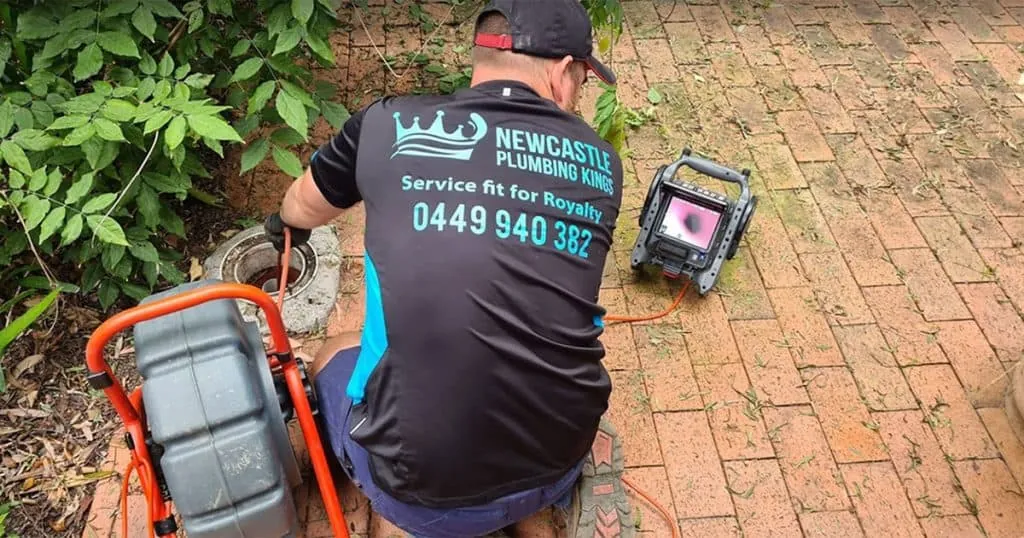
Why Put a Camera Down the Pipe?
Because the symptom rarely names the fault, and the camera does:
- Drains blocking again weeks after a proper clear
- A sewage smell with no visible backup anywhere
- One side of the house slow while the other runs free
- A repair quote wanted with proof of the fault's exact spot and depth
Two tools, one picture. The pipe locator walks the line above ground while the camera travels below it. Footage plus a ground plan turns a guess into a marked point in the yard.
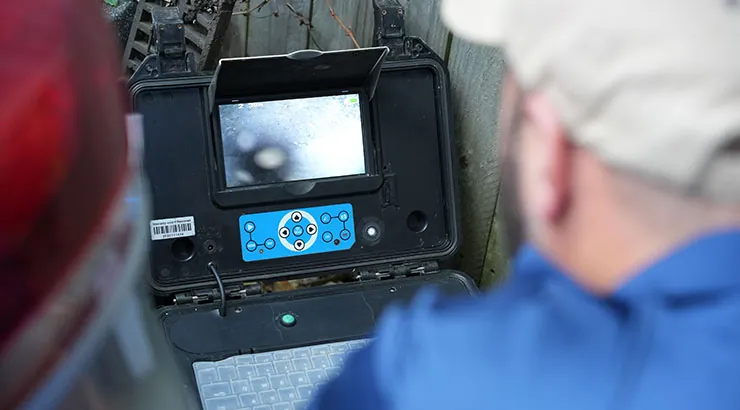
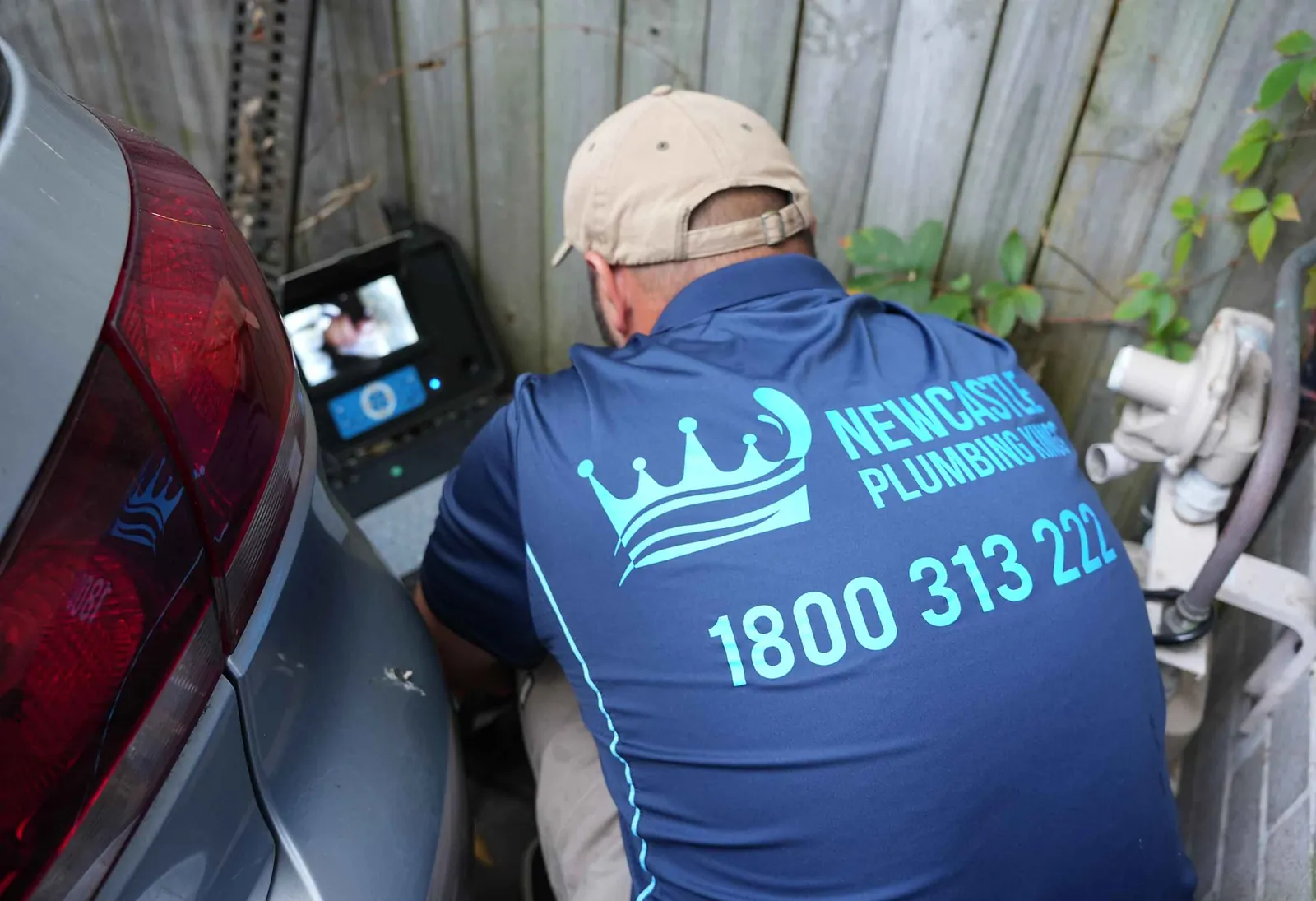
From the Gully Trap to a Clear Picture
Every camera run goes in this order:
- 1
The access point is found first, usually a gully trap or an inspection opening near the boundary.
- 2
The camera head is pushed through, and the footage is watched live as it travels.
- 3
Above ground, the locator marks the run and depth of the line as the camera passes each point.
- 4
The fault is recorded and kept with the job, so the quote and any later repair point to the same spot.
How Is a Camera Inspection Priced?
We provide up-front, honest quotes that will always match the final price, should you decide to go ahead.
"Communication was excellent, the quote was clear, and the work was completed promptly." Lily
The price of a camera pass comes down to:
- The number of openings the camera needs to get in
- The length of pipe the camera has to cover
- Whether the locator is brought in to map depth as well as position
- A written report, if an agent or insurer needs one on file
The footage also means any repair is quoted against something you have watched with your own eyes, not a description over the phone. On the quote, one customer put it plainly:
Roots, Clay and What the Camera Finds Here
Old lines, no surface clues
Shifting ground, shifting joints
Where the footage shows roots, tree root removal takes over. A cracked line beyond a patch repair heads to the relining crew instead.
Where This Job Hands Off
When We're Not the Right Call. A break that sits in Hunter Water's main, beyond your boundary, is theirs to repair; the recording goes to them so their crew starts at the right spot. And a one-off blockage that high-pressure jetting clears cleanly does not need a camera at all; the pass earns its keep when a drain comes back or a repair is coming.
Booking a Camera Pass
- 01
Ring or send the form
Call (02) 4063 1093 or use the form to explain the fault. We ask enough to bring the right equipment the first time.
- 02
A fixed price first
A plumber inspects the job and names a fixed figure up front. Nothing gets started until you give the go-ahead.
- 03
The camera goes down
Footage from inside the line shows the fault and where it sits, and you see it before any repair is quoted.
- 04
Covered for a year
Every job carries our 365-day warranty on all work. If something we did isn't right, ring the same number.
Before You Book a Camera Pass
Do I get to see the footage?
Yes. You watch the footage live on the day, and the recording stays with the job. The repair quote then points at the same crack or root mass you saw yourself, and the file goes to you in writing.
Can the camera get through the old earthenware sewers here?
Mostly, yes. The camera rides a flexible cable and follows the bends in the old clay lines. A fully blocked line gets cleared first, then the camera goes down after, and if a joint has collapsed the footage stops at the break, which is itself the answer.
Does a slow drain always need a camera pass?
No. A one-off blockage cleared cleanly by the jetter or the eel is often the end of it, and the plumber flags it when a pass is worth adding. Drains that keep coming back, and lines about to be dug up or relined, are where the camera earns its keep.
Do you camera-check stormwater lines too?
Yes. Roof water and yard lines get the same pass, which on the low side of these sloping streets is often the quickest way to tell a collapsed stormwater pipe from an overload that only shows in a storm. The stormwater drains page has the full run of that work.
Need a plumber? Call or send the form
Call (02) 4063 1093 or send the form below. Available 24/7, you see a fixed figure ahead of any work, and every job carries our 365-day warranty on all work.
Request a callback
Leave a name and number and a plumber will ring you back.